
The short answer
If your books are late, do not match the bank, or do not make sense to you, they may not be reliable. Bad books can lead to bad decisions, surprise tax bills, missed cash problems, and trouble when you need a loan or want to grow.
Who this is for
This is for small-business owners who are working hard but do not feel confident in their numbers. That includes restaurants, contractors, retailers, and service businesses in Arlington and DFW, Tulsa and northeast Oklahoma, and Farmington and southeast Missouri.
Why reliable books matter
Your books are the scorecard for your business. When the scorecard is wrong, you may think you can afford something you cannot afford. You may not see a cash problem coming. You may wait too long to adjust prices, cut a cost, collect a past-due invoice, or plan for taxes.
Reliable books also matter when someone outside the company needs information. A lender, buyer, partner, landlord, or tax professional will want records that are organized and supported. Good records help you explain the business with confidence.
Seven warning signs
1. Your bank balance is your only financial tool
Your bank balance matters, but it does not tell the full story. It does not show bills coming due, customer balances, tax amounts, or whether last month was profitable. If every decision starts and ends with the bank app, you are missing important information.
2. Your books are always behind
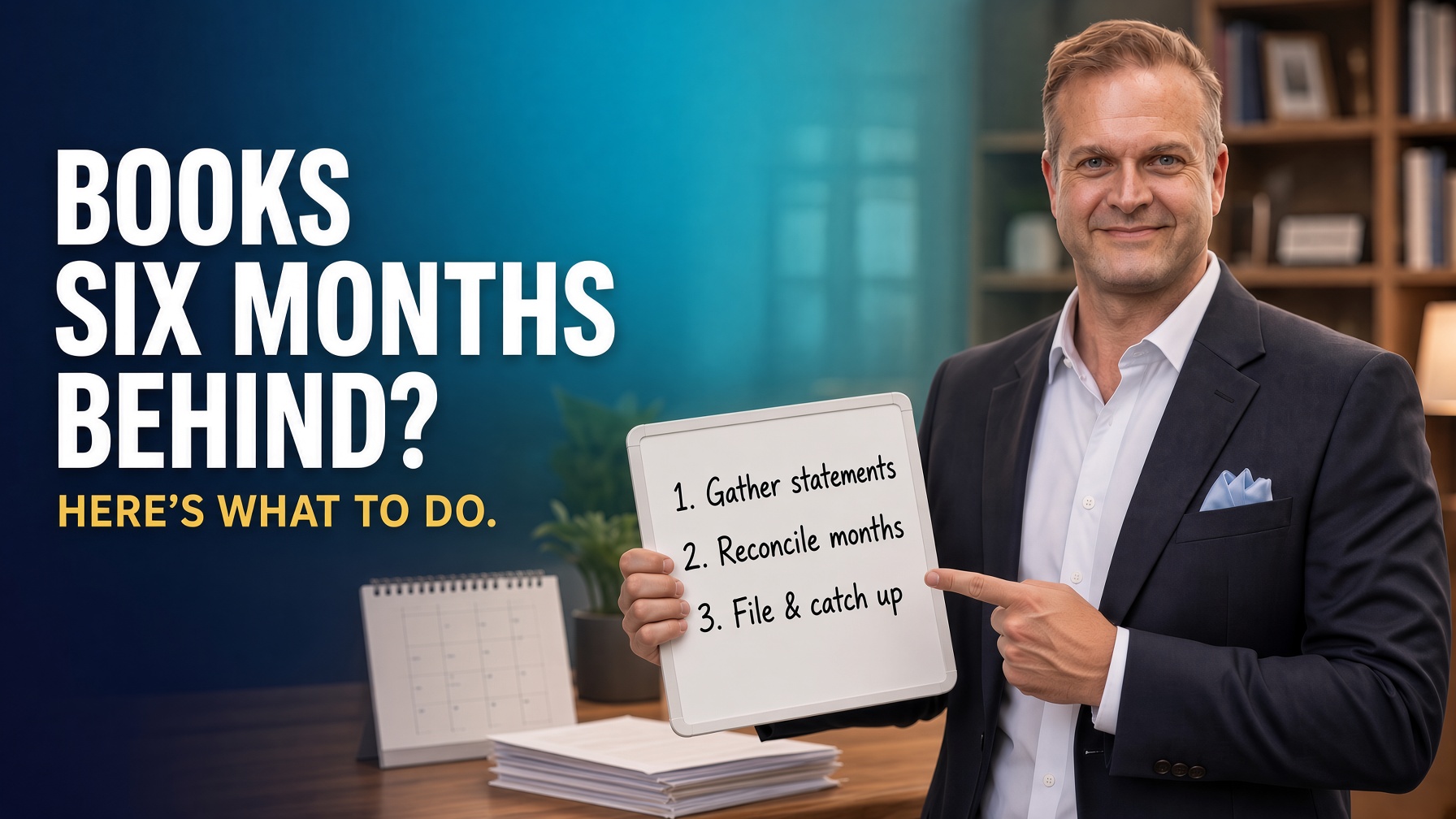
If it is June and you only have January numbers, you have a problem. Old reports cannot help you make today’s decisions. The longer you wait, the harder it becomes to remember what a charge was for or find the records you need.
3. Your profit and loss statement does not feel right
You know the business was busy, but the report shows a loss. Or the report shows a profit, but you are short on cash. Sometimes there is a real reason for that, but there should always be a clear explanation. If no one can explain it, the books may be wrong or incomplete.
4. Bank and credit-card accounts are not reconciled
Reconciliation means matching the books to the bank and credit-card statements. If this is not done each month, missing income, duplicate expenses, bad checks, old payments, and wrong balances can stay hidden for a long time.
5. Personal and business spending are mixed together
Many owners start this way, especially when the business is new. But mixed spending makes it hard to see true profit. It also makes tax work harder. Use a business bank account and business card whenever possible. If personal charges occur, mark them clearly so they can be handled correctly.
6. You cannot tell what you owe
Reliable books should help you see what you owe to vendors, lenders, employees, and tax agencies. If you are surprised by a bill, loan payment, sales-tax amount, or payroll-tax amount, your system may not be showing the full picture.
7. You only talk about the books at tax time
Tax time matters, but it is too late to manage most of the prior year. Your business needs financial attention throughout the year. Monthly reviews give you time to fix errors, plan for taxes, control costs, and respond to problems early.
A quick self-check
- Can I get a profit and loss statement for last month?
- Do my bank and credit-card balances match the books?
- Can I explain my biggest expenses?
- Do I know what customers owe me and what I owe others?
- Do I know whether payroll and tax payments are current?
- Can I give a lender or CPA clean financial reports without a scramble?
What to do next
Do not try to solve everything in one day. Start with accounts that matter most: bank accounts, credit cards, payroll, loans, sales reports, and unpaid bills. Then work month by month. The goal is to get to one clean starting point and keep the books current from there.
If you answered “no” to more than one question in the self-check, do not wait until tax season. Interstate Business Management can help you identify what is missing, what needs to be fixed first, and how to build a monthly system you can trust. Book an introductory call at SpeakWithAaron.com.
Related resources
Before publication, replace these links with the live pages on the IBM website:
- Pillar guide: Small Business Bookkeeping and Monthly Close
- Local service page: Small Business Accounting in Arlington, Tulsa, or Farmington
- Related article: What to Do When Your Books Are Six Months Behind
Educational disclaimer: This article provides general education, not individualized tax, legal, payroll, or accounting advice. The right action depends on your facts. Talk with a qualified professional before making a decision.
Publisher review notes
Before publishing, the CPA/technical reviewer must confirm all current tax, payroll, sales-tax, and compliance statements. Use official sources where a factual rule is mentioned: