
The short answer
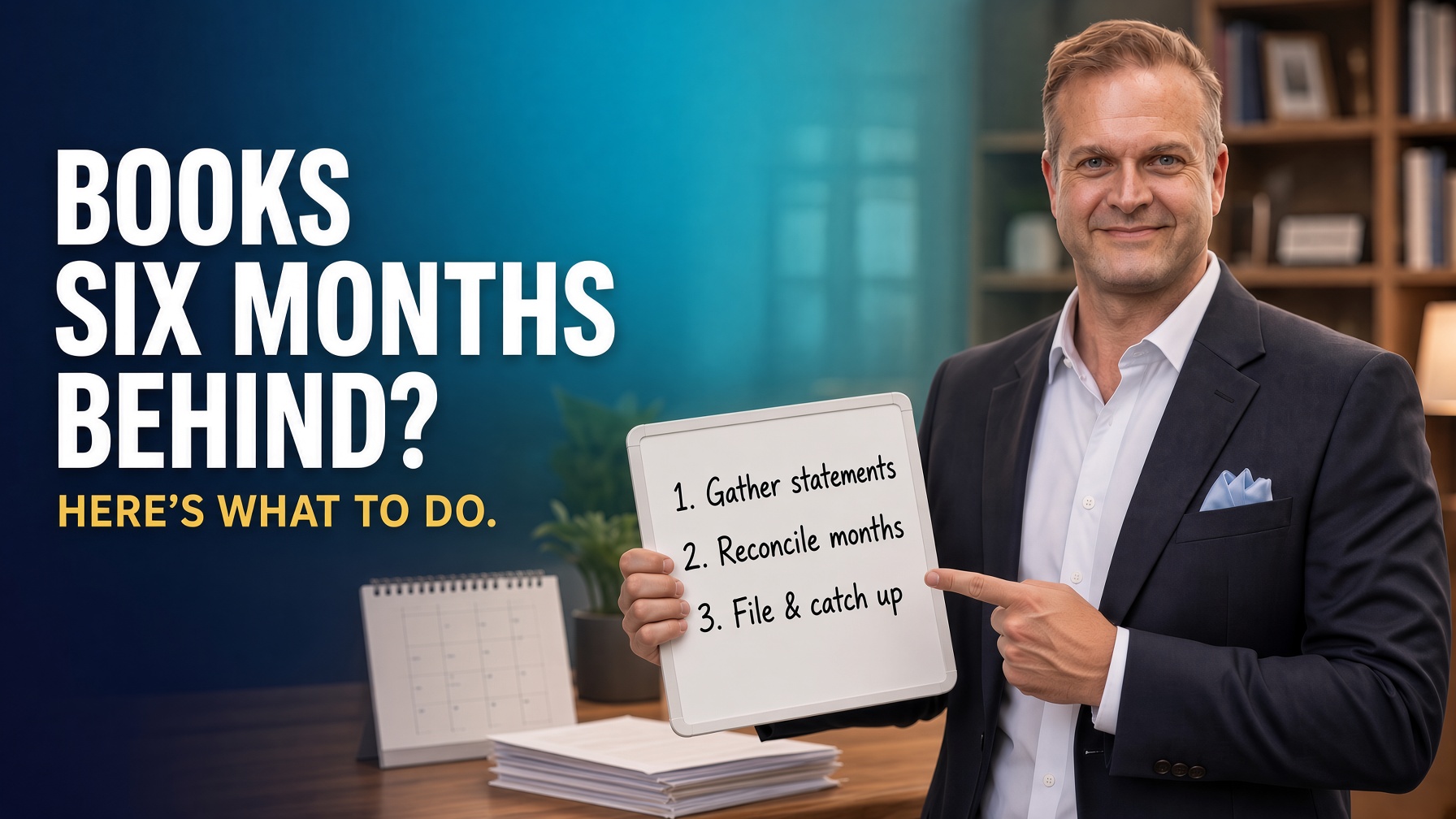
Monthly bookkeeping should give you clean records, clear reports, and fewer surprises. You should be able to see what happened in your business last month, what cash you have now, and what needs your attention next. It is not just entering data. Good bookkeeping gives you facts so you can run the business without guessing.
Who this is for
This is for owners in Arlington and DFW, Tulsa and northeast Oklahoma, and Farmington and southeast Missouri. It is for the owner who is busy serving customers, managing people, and trying to grow—but does not feel clear about profit, cash, payroll, or taxes.
Why monthly bookkeeping matters
The numbers in your business affect almost every major decision. They affect whether you can hire, buy equipment, open another location, pay yourself, or borrow money. They also affect tax planning. When the books are late or wrong, an owner can make a decision based on a number that is not real.
For example, sales can be up while cash is tight. That can happen when customers are slow to pay, inventory costs rise, debt payments increase, or payroll grows. A bank balance alone will not explain that. Monthly bookkeeping helps you see the reason before the problem becomes an emergency.
What should happen every month
Your accounts should match the real records
Your business bank accounts, credit cards, loans, payroll reports, and payment accounts should be checked against the books. This process is called reconciliation. It helps find missing transactions, duplicate charges, wrong balances, and payments that have not cleared.
If the books do not match the bank statements, the reports may not be reliable. Reconciliation is one of the main reasons bookkeeping has value. It is how you make sure the financial story matches real activity.
Income and expenses should be in useful categories
The goal is not just to label every charge. The goal is to organize the information so it helps you make decisions. A restaurant owner may need food, labor, delivery fees, merchant fees, and rent separated. A contractor may need labor, materials, and subcontractors separated. A service business may need to see which services are producing the best margin.
When costs are thrown into broad categories, the owner loses the ability to see what is driving the business. A useful chart of accounts turns accounting into information you can use.
You should receive reports you can understand
At a minimum, you should be able to review three reports:
- A profit and loss statement that shows income, expenses, and profit.
- A balance sheet that shows what the business owns and owes.
- A cash view that helps explain where money came from and where it went.
You do not need to become an accountant. You do need someone who can explain what the reports mean in plain English. If you cannot understand the report, it is not helping you manage the company.
Problems should be raised early
A good monthly process does not hide bad news. It brings up issues early. You may see customers taking too long to pay, labor costs going up too fast, sales falling, tax amounts building up, or cash getting tight. These are owner issues, not just accounting issues.
When you know about a problem early, you have choices. You can change pricing, collect faster, control spending, adjust staffing, or make a plan. When you learn about it months later, your options may be limited.
Your books should be ready for planning
Current books make tax planning easier. They also make meetings with lenders, partners, and advisors much more productive. If you are looking at a loan, a new lease, another location, or a major purchase, clean reports make it easier to show the real strength of the business.
A simple owner checklist
- Are all bank and credit-card accounts reconciled?
- Do I know last month’s sales, expenses, and profit?
- Do I know how much cash is available right now?
- Do I know what customers owe us?
- Do I know what we owe vendors, lenders, and tax agencies?
- Can someone explain the one or two biggest financial issues in the business?
When to get help
If your books are late, your reports do not make sense, or you only hear from your accountant at tax time, it is time to take a closer look. Clean monthly bookkeeping gives you a better view of the business and more time to make good decisions.
Interstate Business Management helps small-business owners get clean books, useful reports, and a better handle on cash, taxes, and growth. Book an introductory call at SpeakWithAaron.com to talk through what is working, what is missing, and what needs to happen next.
Related resources
Before publication, replace these links with the live pages on the IBM website:
- Pillar guide: Small Business Bookkeeping and Monthly Close
- Local service page: Small Business Bookkeeping in Arlington, Tulsa, or Farmington
- Related article: Seven Signs Your Business Books Are Not Reliable
Educational disclaimer: This article provides general education, not individualized tax, legal, payroll, or accounting advice. The right action depends on your facts. Talk with a qualified professional before making a decision.
Publisher review notes
Before publishing, the CPA/technical reviewer must confirm all current tax, payroll, sales-tax, and compliance statements. Use official sources where a factual rule is mentioned: